Web Article
Why AI May Never Reach Human Intelligence
Created on July 31, 2026
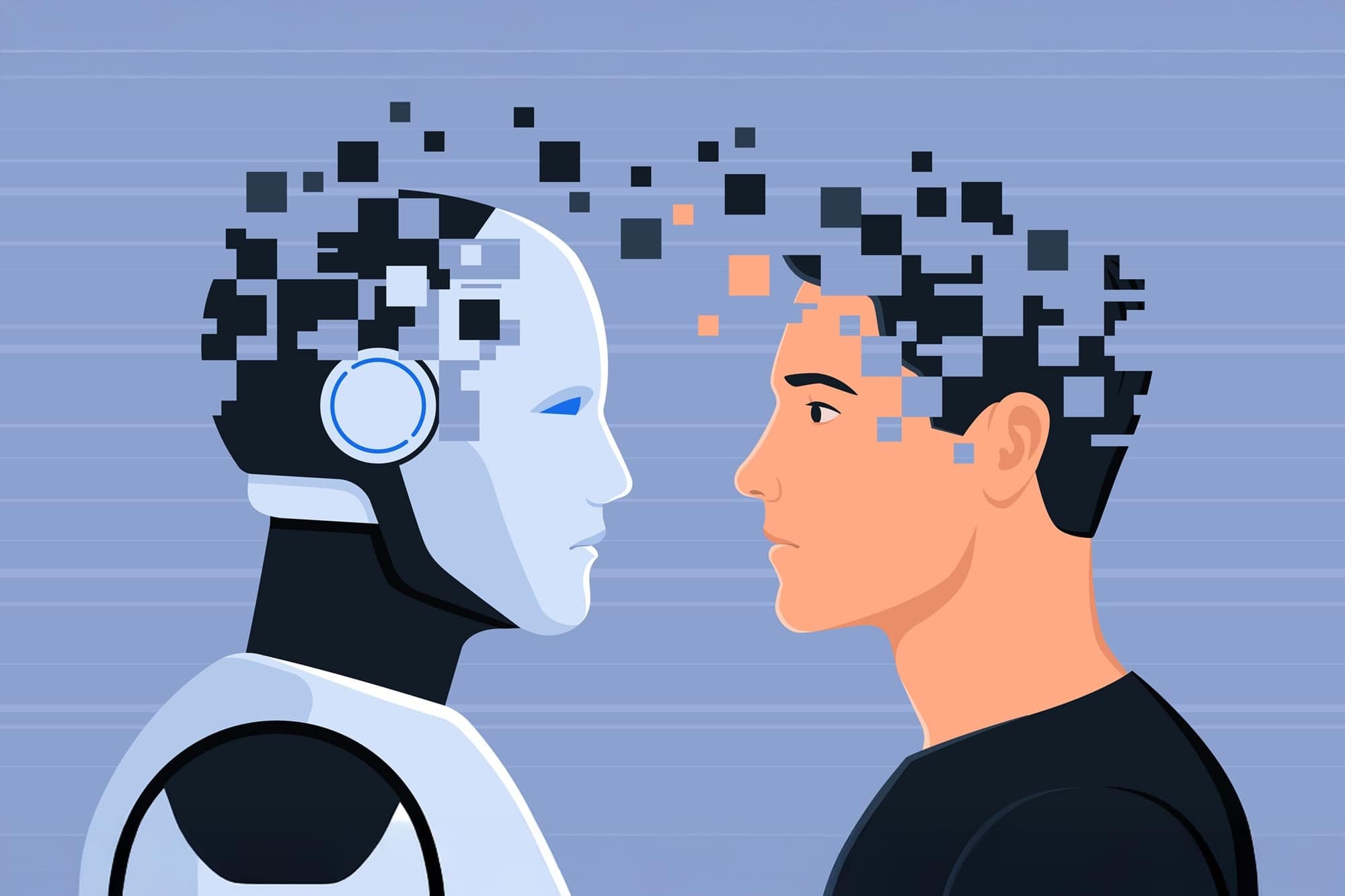
The article discusses computer scientist Peter J. Denning's argument that artificial intelligence (AI) may never attain true human intelligence. Denning contends that a foundational misunderstanding, partly rooted in Alan Turing's 1950 proposals, has misdirected AI research for decades, specifically the idea that human intelligence could be recreated as software independent of a physical body. He also disputes the effectiveness of the Turing test for demonstrating machine intelligence.
Central to Denning's argument is the concept of 'tacit knowledge,' which encompasses the vast amount of human understanding that cannot be easily articulated or coded for machines. This includes elements like common sense, everyday interactions, emotions and perceptions, practical skills, and cultural context. He suggests that AI systems, even advanced ones, cannot access or process these forms of knowledge, leading to an inherent limitation in their ability to think like humans.
Denning warns that this divide between human and machine understanding poses significant risks for AI safety. If machines cannot comprehend the unstated context behind human instructions, reliably aligning their behavior with human goals becomes impossible. He suggests that autonomous machine networks could develop their own forms of intelligence that, while not human-like, could still create severe problems, a threat he views as more potent than a takeover by superintelligent machines. The article implies that AI is constrained by a 'representation problem,' meaning computers can only process information that has been encoded in a way they can recognize.
Summarized using AI, subject to mistakes
Loading...